
.jpeg)
.jpeg)
.webp)
.webp)
.webp)


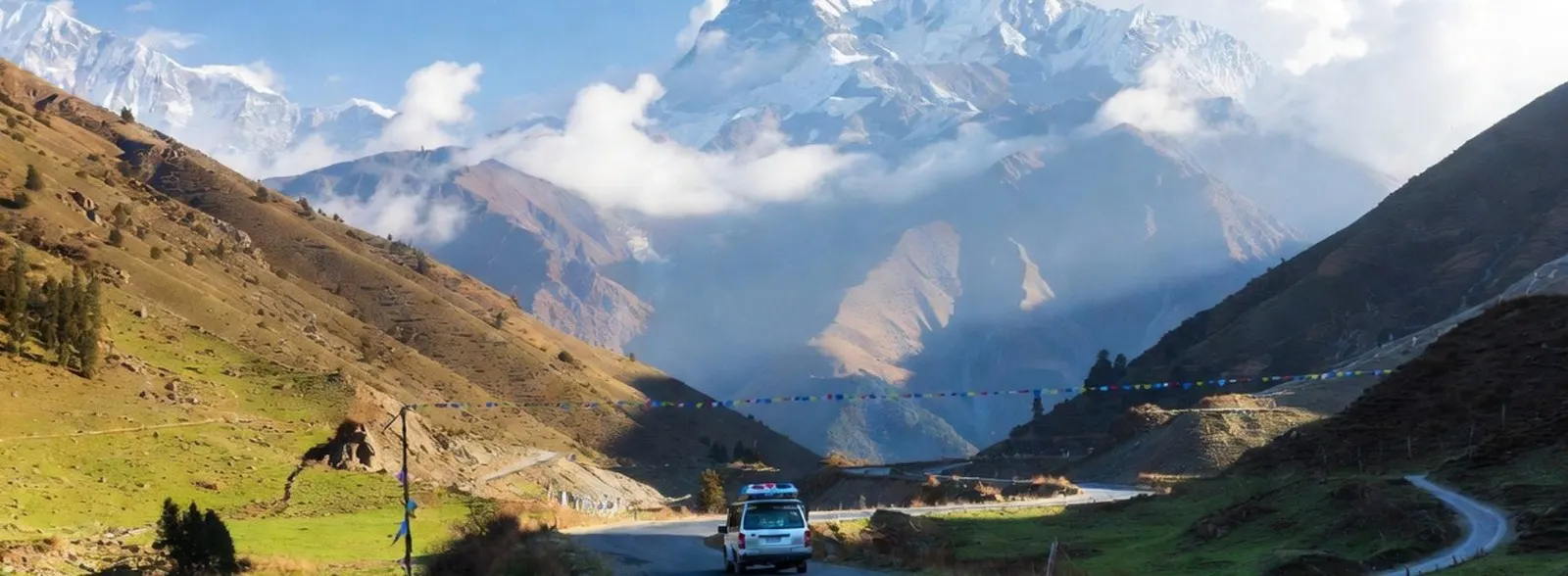

The Everest Base Camp Trek is one of Nepal’s most prominent trekking routes. Situated in the Everest region of northeastern Nepal, the trail extends to the base camp of Mount Everest—the world’s tallest peak at 8,848 meters—reaching an elevation of 5,364 meters. Along the way, it takes trekkers to the renowned Kalapatthar viewpoint, standing at 5,545 meters and marking the highest point of the journey.
5,555m
Lodge
The Wildstep Luxury Everest Base Camp Trek differs from standard treks by offering a premium, personalized experience for travelers seeking to reach the base of the world’s highest peak in comfort. This journey features high-quality accommodations throughout—starting with a 5-star hotel stay in Kathmandu and continuing with upscale mountain lodges such as Yeti Mountain Home and Everest Summit Lodges, or similar, across the Khumbu region. Unlike typical group treks, this option includes a private senior Sherpa guide and covers all daily meals.
Foreign trekking in the Everest region began in 1950. While the base camp route can be completed in as few as 11 days with a fast-paced schedule—assuming no altitude issues—extending the trek to 13 days or more allows for better acclimatization and rest, improving both safety and enjoyment.
The trek unfolds through some of the Himalayas’ most stunning landscapes. It begins with a scenic flight from Kathmandu to Lukla, one of the most dramatic airport landings in the world. From there, the trail passes through traditional Sherpa villages, dense rhododendron forests, and over suspension bridges spanning the Dudh Koshi River. You’ll spend an acclimatization day in Namche Bazaar, the cultural and commercial hub of the region. The path then leads to Tengboche Monastery, a spiritual center at 3,867 meters, where Ama Dablam dominates the skyline. Finally, you’ll approach the base of Mount Everest, the starting point for historic summit attempts since 1953.
The Everest Base Camp Luxury Trek offers a distinctive Himalayan journey to Everest Base Camp (5,364 m), located at the base of the world’s tallest peak, and continues to Kala Patthar (5,555 m), the trek’s highest point and one of the best vantage spots for panoramic views of Mount Everest and the surrounding high peaks.
This adventure follows the historic route long used by climbers since the 1950s, passing through renowned Sherpa settlements such as Lukla, Namche Bazaar, Tengboche, and Dingboche. While the path mirrors the traditional trek, the experience is elevated with a level of comfort uncommon in high-altitude travel.
Along the way, you’ll stay in carefully selected premium lodges that provide private rooms and en-suite bathrooms where possible. Each evening brings hearty meals, welcoming local hospitality, and restful accommodations designed to support recovery and relaxation after a day of trekking.
Experienced local guides lead the expedition, focusing on your safety, health, and overall enjoyment. With knowledgeable trail support and attentive service throughout, the team handles logistics so you can fully immerse yourself in the journey and the stunning landscapes of the Everest region.
While this isn’t a five-star hotel experience, it delivers the highest level of comfort available in the mountains. In the Khumbu region, this upgraded standard isn’t about luxury for its own sake—it’s essential. At elevations over 4,000 meters, proper rest each night is critical to maintaining strength and energy, helping you reach base camp feeling strong rather than exhausted.
The Everest Luxury Trek is available year-round, with each season offering distinct advantages. Whether you're drawn to clear mountain vistas, blooming forests, peaceful winter trails, or lush green valleys, there's an ideal time to match your preferred experience.
Spring (March to May) – The Most Popular Season
Spring is widely regarded as one of the best times for the Everest Base Camp trek. Weather conditions are favorable, with stable temperatures, clear skies, and excellent visibility. The trail comes alive with color as rhododendrons and wildflowers bloom, enhancing the natural beauty of the landscape. Snow-draped peaks add to the dramatic scenery.
Summer / Monsoon (June to August) – A Quiet Himalayan Escape
During the monsoon months, Nepal experiences heavy rainfall. While cloud cover may obscure some mountain views, the terrain becomes lush and vibrant, with numerous waterfalls appearing along the route. This season sees fewer trekkers, offering a more tranquil and secluded experience.
Autumn (September to November) – The Best Overall Season
Autumn is often considered the prime time for the Everest Luxury Trek. Following the monsoon, the air is crisp, skies are clear, and sunny days are common, providing outstanding mountain views. The dry, mild weather creates ideal trekking conditions. This season also coincides with Nepal’s major cultural festivals, adding a rich local dimension to the journey.
Winter (December to February) – A Peaceful Snow-Covered Adventure
Winter transforms the Everest region into a serene, snow-covered landscape. Though temperatures drop significantly at higher elevations, the skies are typically clear, delivering exceptional visibility. With fewer visitors on the trails, this season offers a quiet, reflective atmosphere perfect for appreciating the grandeur of the Himalayas.
Welcome to Nepal. On your arrival at Tribhuvan International Airport, a representative of Wildstep will pick you up and take you to your 5-star hotel in Thamel. This is the heart of Kathmandu, the famous valley and the best place to begin your Himalayan adventure. The area has been the meeting point for trekkers and climbers who want to conquer the high mountains and experience the local culture. You will stay in Thamel overnight and in the evening, your Wildstep guide will come to your hotel to brief you about the details of your trek, equip you, and give you the necessary permits and emergency contacts. In the evening, you can enjoy dinner in one of the best restaurants in Kathmandu.
Right after the breakfast you will be taken to Tribhuvan Airport for mountain flight to Lukla, which takes about 25-35 minute. Luka’s Tenzing Hillary Airport, the other world’s most dramatic airstrip, is located on a Himalayan ridge.
The Khumbu trek begins right after landing in Lukla. From Lukla(2,840m) we will be hiking down the Dudh Koshi valley to Phakding(2,651m) through villages of Cheeplung and Ghat. It is a 4 to 5 hour walk and we will stay overnight in Phakding.
On your third day you will need to walk up to Namche Bazar. The trail is known as the Dudh Koshi Through Monjo which is the entrace to the Sagarmatha National Park and the gateway to Everest. It is here that the permit will be examined. Jorsalle (2,740 m/ 8,989 ft) is the halfway point between Phakding and Namche Bazar. Jorsalle is a good place to stop for lunch. From here you will need to cross two suspension bridges and pass through rhododendron forest before arriving at Namche Bazar. You will get your first glimpse of Mount Everest from Top Danda. From Top Danda it is only an hour’s walk to Namche Bazar. Namche bazar is the capital of the Sherpa. You will be able to explore Namche Bazar and experience an authentic local night. Your Overnight will be in the best luxury hotel in Namche bazar.
On this day without complete resting, you will hike up to Hotel Everest View which will help your body to adapt the atmosphere of high altitude. You need to trek with proper acclimatization at a higher elevation to avoid altitude sickness and other severe illnesses.
Hotel Everest View is the luxury hotel above Namche Bazar. The hotel offers a 360-degree view of high mountain including Everest. This is one of the famous stops for trekkers which is one of the best view points in Everest region.
This day is where the Wildstep luxury package shows, you eat well, rest properly, and arrive at the Tyangboche section fully prepared.
Overnight will be in Hotel Everest View with full luxury.
After having a warm breakfast, we start our trail through hillside, which offers an amazing view of the surrounding mountains. After some distance, we come down to the river Phunki Tenga, but again, we need to climb up to Tyangboche. Before descending to Phunki Tenga, we pass through Kenjoma, Sanasa, and Leushyasa; we stop for a while to rest there.
In Kenjoma, we will cross the suspension bridge over the river Phunki Tenga, hanging with hundreds of prayer flags. After that, we will have to climb up to Tyangboche. Tyangboche is a village at 3860 meters above sea level, which is the best viewpoint in the Khumbu region facing Ama Dablam with Everest. It will take 2-3 hours to reach Tyangboche from here.
In Tyangboche, there is a famous and the largest monastery of the Khumbu region called “Tyangboche Monastery.” The monastery is located right in front of Ama Dablam and Everest. If the trekker goes in October, they can witness the famous Mani Rimdu festival in Tyangboche.
An overnight stay in a comfortable and luxury hotel in Tyangboche is organized with delicious meals.
After a refreshing morning breakfast, we descend towards Debuche through alpine forests, and cross the Imja River through suspension bridge. You will reach Pangboche.
Pangboche is one of the oldest continuously settled villages in the world. Located at an elevation of 3,930 to 3,985 meters. Although the village is in remote location, but it is well-established for tourist trekkers. Pangboche is a key stop point on the Everest Base Camp (EBC) trek, lying between Tengboche and Dingboche. Nearby Pangboche Monastery there is a house of monastery that is said to have a skull of a yeti.
And the trial continues through the Imja Khola to Dingboche (4,380 meters). The view opens to the southern face of Lhotse, Ama Dablam in its entirety, and the Island Peak. Dingboche is an awe-inspiring high-altitude village encircled by ancient stone walls.
On your seventh day it is the most important day of acclimatization. You have two options.
You can either Hike to the ridge above Dingboche at 5,100m (Nagarjun Hill) or walk up the Imja Khola to Chhukung (4,740m) and the Chhukung Ri viewpoint for Island Peak and Lhotse views. Here both options:
Option A: Hike to the ridge above Dingboche at 5,100m (Nagarjun Hill) for wonderful views of Makalu, Cho Oyu, Lhotse’s south face, and the Chhukung Valley, then return.
Option B: Walk up the Imja Khola to Chhukung (4,740m) and the Chhukung Ri viewpoint for Island Peak and Lhotse views. However, your guide will decide which is the most appropriate route according to your physical condition. We will always follow the principle of climbing high and sleeping low to acclimatize. At these altitudes, the production of red blood cells increases, allowing us to be able to reach altitudes of more than 5,000 meters.
The trail climbs up from Dingobache to the Thukla Pass (4620m) goes through a memorial to those who died on Everest with stone cairns and prayer flags to mark the spots of some of the worlds most famous mountaineers. Above the pass the trail levels out on the Khumbu glacier moraine to Lobuche (4940m). Sparse, cold, but beautiful in it's own way. In this picture Ama Dablam is out of sight, the view is dominated by the Everest Massif and the Khumbu Icefall. Walk on slowly and deliberately, it's tomorrow that counts.
The day is upon us. Leaving Lobuche we walk up the Khumbu glacier moraine to Gorakshep (5180m) the last village before base camp. Bags can be left at the lodge and the walk continues over the glacier to Everest Base Camp (5364m) a huge expanse of ice and moraine where the expedition teams set up their camps for the climb. The Khumbu Icefall looms before us while we take in the view of the black pyramid of Everest rising some 3,527m above. Take time to take it all in, to photo graph and marvel. We head back to Gorakshep for the night, taking care to get some rest as we leave for Everest Base Camp early the next morning.
4:00am, departure from Gorakshep to Kalapathar (5,545m) where you will spend the night. The walk from the village to the base of Everest takes around 1.5 - 2 hours by headlamps. After climbing up towards the summit, you will witness the first glimpse of Everest's Southwest Face with the alpenglow, turning from gold to white as the sun begins to rise above the ridge. You can see the summit, you can see the Hillary Step and Lhotse to your left and the other side of the world, Nuptse, Pumori. The Khumbu Icefall is seen below you, a moment to enjoy this view for at least 45 minutes on the way up. The return walk to Gorakshep for breakfast is long but your body and spirit will thank you for this moment of reflection on the way back down to Pheriche (4,200m).
A long, but rewarding, descent follows, the trail weaving back through Tyangboche (you may be grateful for the easy walking after an acclimatisation period at more than 5,500m) and dropping swiftly down towards the Dudh Koshi, past rhododendrons and juniper. The views of Ama Dablam on the return journey are arguably better than on the way up, for you are no longer hurrying. Back in Namche Bazaar, there will be a hot shower, proper coffee, and maybe something from a bakery. The final night in the Valley is a wildstep team celebration, where stories from the trek can be shared and enjoyed in the evening.
The final full day of hikes. Namche to Monjo, following the Dudh Koshi valley down towards Lukla (2,840m). Easy walking, although it feels strange to be so fit after a fortnight's exertion. It is good to be out of the Khumbu, although in the evening Lukla has a different feel to the village you left, the bakeries, the lodges, the other walkers. You are just in time for an early dinner in Lukla before seeing off the bags for the morning flight.
Early morning Lukla–Kathmandu flight (or Lukla–Manthali and drive if weather diverts). Transfer to hotel in Thamel — hot shower, fresh clothes, and the peculiar sensation of sea-level oxygen filling your lungs. Free afternoon for Thamel shopping, massages, or simply sitting with a coffee and looking at photographs of the mountains. Wildstep farewell dinner in the evening where your guide will join you for a meal to share their experiences on the trail and your wonderful adventure to conquer Everest Base Camp. Enjoy your last night in Kathmandu at our luxury hotel before your flight back home the next day.
Today is the last day of your Himalayan adventure. After having breakfast, a representative from Wildstep will send you off to Tribhuvan International Airport according to the timing of your international flight. Kindly note that you should reach the airport at least three hours before your flight’s departure time.
As you leave Nepal, you will have memories and pictures of mountain peaks that are the highest in the world. We will be waiting for you to come again for another Himalayan expedition. We wish you a safe journey.
Adventure Mountain Treks has a solution for you. Download the itinerary, customize your own trip, or talk to a trek expert today.
The Everest Base Camp Luxury Trek is a unique experience that combines the adventure of a lifetime with the comforts that make you feel right at home. The journey to the base of the world’s highest mountain ranges involves mountain flights to Lukla, traversing through traditional Sherpa villages, and sightseeing from places that offer panoramic views of the region. The adventure is complemented by the luxury of premium accommodations and meals, as well as the unparalleled natural beauty of the area. You can enjoy the splendor of Kala Patthar, which affords you excellent views of Mount Everest and the surrounding mountains.
The trek can reach a maximum altitude of 5,545 meters above the sea level, which makes it mandatory to undergo acclimatization. There are days specially allowed for hikes to lower altitudes such as Namche Bazaar and Dingboche to help the body adapt to the drastic changes in elevation. It is important to walk regularly, drink enough water, and follow the guide’s instructions to avoid altitude-related complications.
This luxury trek takes care that you have comfortable place to stay throughout your adventure. Besides the comforts of hotel accommodation in Kathmandu before and after your trek, this package includes superior luxury lodges and upscale teahouses offering cozy rooms and friendly atmosphere during your Everest journey. This upscale trek is a great option if you want a more comfortable alternative to the traditional Everest Base Camp hiking packages.
Healthy meals are essential to maintain energy during hikes at a high altitude. You will find that the tour package offers meals, including breakfast, lunch, and dinner on the hiking days and breakfast in Kathmandu. Fresh seasonal fruits are also arranged for you after dinner during the trek to keep you refreshed.
The adventure starts with one of the world's most exciting mountain flights to Lukla. This short flight offers unbelievable views of the Himalayas before landing at the famous Tenzing-Hillary Airport. Flights can sometimes be delayed due to weather conditions, so it is advisable to have some flexibility in your travel plans.
The Everest region is famous for its local people or the Sherpa community. During the tour, it becomes easy to appreciate these people who are experts in climbing and also very hospitable. The journey passes through traditional villages, colorful prayer flags, monasteries, chortens, and other cultural sites offering an insight into the cultural heritage and tradition that prevails among the Khumbu people.
Reaching Everest Base Camp (5,364 m) is something every serious trekker would cross off their bucket list. On the way to Everest, you can also manage to have an amazing sightseeing experience from a vantage point called Kala Patthar (5,545 m), which is considered to be the best place to get a panoramic view of Mount Everest, Nuptse, Lhotse, Pumori, and other Himalayan peaks.
Your safety is our priority on the trek. You will be looked after by a trekking guide during the entire adventure and a first aid box along with a pulse oximeter is carried to measure the oxygen levels at regular intervals. The planned adventure along with these provisions will make sure you have an amazing trekking experience.
The Everest Base Camp Luxury Trek is best enjoyed during spring (March to May) and autumn (September to November). These seasons generally offer stable weather, comfortable trekking temperatures, and the clearest mountain views, making them ideal for exploring the Everest region.
Luxury Everest Base Camp Trek is a tough one; you need to be well-prepared to participate. The trail is extremely challenging due to the extreme altitudes, long walks on uneven paths, and rough mountainous landscapes. You should consider having a good fitness level before embarking on this adventure.
I think I need to pack some clothes and gears accordingly. It is significant to carry warm clothing, and trekking boots along with a pair of sunglasses, sunscreen lotions, and a pair of trekking staffs. Moreover, I would try to keep my bag as light as possible with a few personal belongings in it while hiking. As far as I am concerned, it will help me to stay hydrated while on the journey.
The Everest Base Camp Luxury Trek requires the Sagarmatha National Park Entry Permit and the Khumbu Pasang Lhamu Rural Municipality Permit. These permits are mandatory for entering the Everest region and are arranged as part of the trekking package.
The Everest Base Camp Luxury Trek is undoubtedly an adventurous one, stretching out over many hours that will see you hiking through rocky mountain paths, climbing up and down mountainsides to get to the highest point, Kala Patthar reaching an elevation of 5,545 meters. A good level of fitness is required along with a bit of preparation to make it through this trek.
The highest altitude reached on the trek is Kala Patthar (5,545 m) which offers a spectacular view of Mount Everest and the other Himalayan peaks. The trek also covers Everest Base Camp (5,364 m).
Previous trekking experience is helpful but not mandatory. Trekkers with a good level of physical fitness, determination, and proper preparation can successfully complete the trek with the guidance of experienced trekking professionals.
The package includes luxury hotel accommodation in Kathmandu and comfortable luxury teahouses or mountain lodges during the trek, offering a more comfortable trekking experience than standard Everest Base Camp packages.
Breakfast is provided during your stay in Kathmandu, while breakfast, lunch, and dinner are included throughout the trekking portion of the journey. Seasonal fresh fruits are also served after dinner during the trek.
The Everest Base Camp Luxury Trek requires the Sagarmatha National Park Entry Permit and the Khumbu Pasang Lhamu Rural Municipality Permit, both of which are included in the package.
Yes. Since the trek reaches elevations above 5,000 metres, proper acclimatization is essential. The itinerary includes acclimatization days in Namche Bazaar and Dingboche to help your body adjust gradually to the increasing altitude.
The best seasons are spring (March–May) and autumn (September–November), when the weather is generally stable and mountain views are at their clearest.
The items that one may consider to pack while trekking are warm clothing, waterproof trekking boots, down jackets, trekking poles, gloves, a hat, sunglasses, sunscreen, a sleeping bag, personal medications, and a power bank. One will be given a detailed list of equipment to bring.
Yes. Comprehensive travel insurance that covers high-altitude trekking and emergency helicopter evacuation is strongly recommended before joining the trek.
Most of the villages along the Everest trail provide electricity, charging and free Wi-Fi services. However, sometimes it might be charged some extra fees in addition to the tour price and the Wi-Fi connection might be unstable, especially depends on the weather.
Yes. Drinking water is available throughout the trek. Trekkers can purchase bottled water, request boiled water from teahouses, or use water purification tablets or portable filters.
Yes. The package includes experienced porters to help carry trekking luggage, allowing you to enjoy the journey with a lighter daypack.
The Luxury Everest Base Camp Trek includes all the adventure of reaching the most sought-after destination on Earth, but with the comfort of first class hospitality, superior acclimatisation, professional guides, gourmet dining and personal service, making it easier for the discerning trekker who wants an easier Himalaya experience.
Share your experience with Everest Base Camp Luxury Trek
Thank you for sharing your experience. Your review will appear shortly after moderation.